Anti-radar stickers for West Virginia 1982
Ultimate solution against radars

-
Flat – letters and numbers are printed on the surface of the license plate and have no volume.
-
Embossed – letters and numbers are pressed out of the license plate.
-
The license plate images on our website are for illustration purposes only (flat/embossed, font style), while the stickers themselves are always black.
Suitable for
Car
Material Size
62,5 mm
Color
Black
Version
Since 1982, Embossed
Suitable for
Car
Material Size
62,5 mm
Color
Black
Version
Since 1982, Embossed


Product added to your cart
You may also like

Alite Nanofilm - Custom antiradar stickers


Alite Blackout License Plate Hider - Single kit (EU version)


Alite Flipper Folding frame for rear license plate (on a cable)
Reviews
Average rating
Customer photos
Write a review
Thank you!
Your review has been successfully submitted
Testimonials

Infiniti Q50
Germany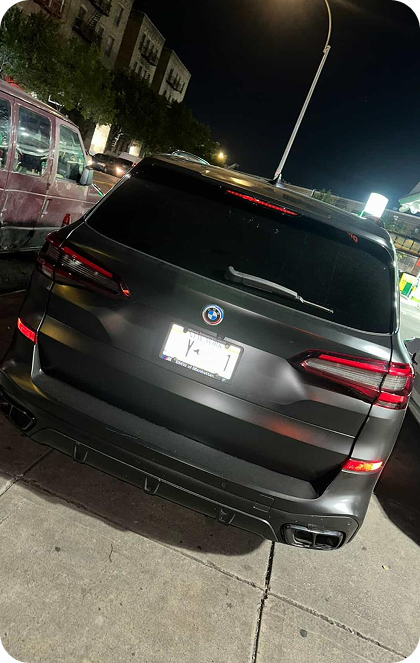
BMW X5
New York, USA
Mazda 6
Brazil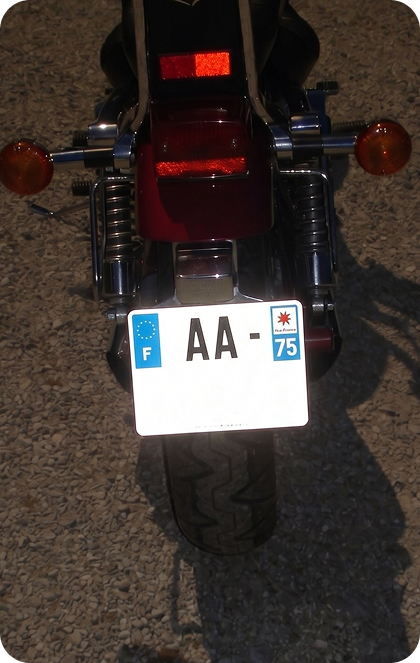
Honda Shadow 125
France
Honda Civic
Mexico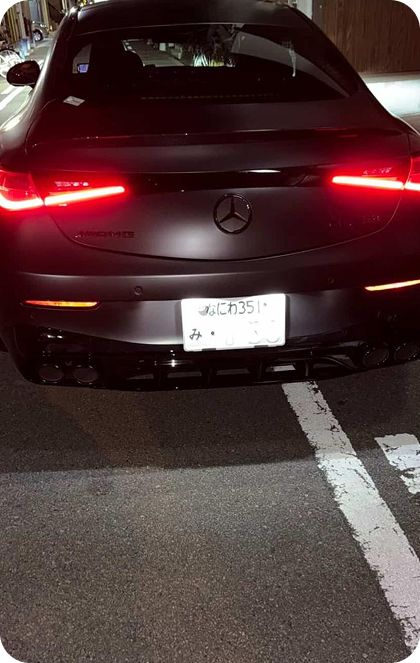
Mercedes CLE53
Japan
Toyota Supra
Texas, USA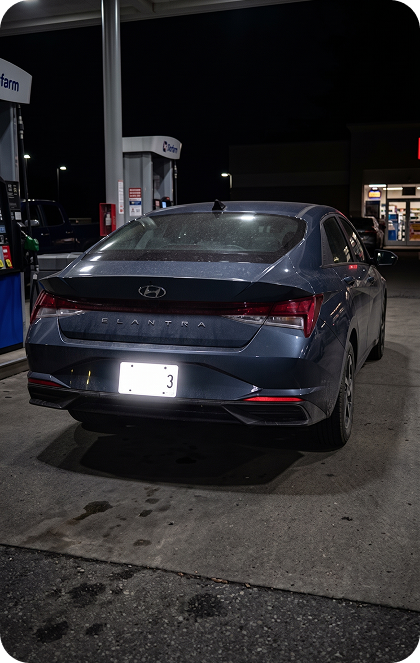
Hyundai Elantra
Canada4.0/5 Review Score
100+ reviews
5500+ satisfied customers
Select the product


West Virginia 1982
West Virginia 1982 Nanofilm Collection
Anti radar sticker technology for West Virginia 1982 license plates
License plates issued in West Virginia 1982 are designed with reflective coatings that help ensure strong visibility in different driving conditions. Mountain roads, changing weather, and nighttime travel require plates to remain readable for drivers and road authorities. While reflective materials improve safety and identification, they also make license plates highly responsive to automated traffic cameras. The West Virginia 1982 Nanofilm collection introduces an advanced anti radar sticker designed to modify how reflective plate surfaces interact with camera illumination.
Instead of installing bulky covers or mechanical frames, nanofilm technology works directly with the characters of the license plate. A thin optical layer is applied precisely over the plate symbols, following their exact geometry. Because of this precise alignment, the film blends naturally into the original plate design and remains visually discreet.
To the human eye, the license plate appears completely unchanged. However, the reflective signal that automated monitoring systems rely on behaves differently due to the micro-structured surface of the license plate film. This optical layer subtly changes how light reflects from the plate surface, influencing how clearly cameras capture the plate image.
Key characteristics of West Virginia 1982 Nanofilm include:
- micro-structured optical layer designed for reflective plates
- precise adaptation to West Virginia 1982 license plate characters
- discreet installation without external covers or frames
- compatibility with reflective license plate materials
License plate film technology for West Virginia 1982 plates
Optical diffusion using license plate film
Automated traffic cameras typically rely on strong reflections from license plates to capture clear images. Flash or infrared illumination is directed toward the plate surface, and the reflective coating sends the light directly back toward the camera lens. This creates a high-contrast image used by automated recognition systems. A license plate film modifies this process by altering how reflected light behaves.
The surface of West Virginia 1982 Nanofilm contains microscopic diffusion structures that scatter reflected light across multiple directions. Instead of returning a concentrated reflection toward the camera sensor, the light spreads slightly across the plate surface. This optical diffusion can influence how clearly automated systems capture license plate characters.
Because the film is applied directly to the symbols of the plate, the optical effect occurs precisely where camera systems typically analyze plate information.
Important properties of this optical technology include:
- micro-diffusion surface designed for reflective materials
- compatibility with infrared and flash illumination
- precise alignment with license plate characters
- seamless integration with the original plate design
West Virginia 1982 license plate camera blocker solutions
Discreet optical modification for modern license plates
With the expansion of automated traffic monitoring technologies, many drivers are becoming more aware of how license plates interact with camera systems. The West Virginia 1982 Nanofilm collection offers a subtle solution that focuses on optical modification rather than mechanical accessories.
A license plate camera blocker based on nanofilm technology introduces a thin optical layer that changes the reflective behavior of the plate surface. Instead of covering the plate completely, the film works directly with the reflective coating already present on the plate characters.
This allows the license plate to maintain its authentic appearance while slightly modifying how light returns to camera sensors.
Drivers often choose this technology because it offers several advantages:
- preservation of the original West Virginia 1982 plate design
- discreet installation directly on plate characters
- optical modification without bulky covers or frames
- compatibility with modern automated monitoring systems
By combining precise character alignment with micro-optical diffusion technology, the West Virginia 1982 Nanofilm collection provides a modern way to modify reflective plate behavior while preserving the original appearance of West Virginia 1982 license plates.
Buy 4 symbols and GET 10% OFF
🥳 Congratulations! You have 30% OFF


