Anti-Radar-Aufkleber für Südafrika 1997
Die ultimative Lösung gegen Radargeräte

-
Flach – Buchstaben und Zahlen sind auf die Oberfläche des Nummernschildes gedruckt und haben kein Volumen.
-
Geprägt – Buchstaben und Zahlen werden aus dem Nummernschild herausgepresst.
-
Die Abbildungen der Nummernschilder auf unserer Website dienen nur zur Veranschaulichung (flach/geprägt, Schriftart), die Aufkleber selbst sind immer schwarz.

Geeignet für
Auto
Materialgröße
75 mm
Farbe
Schwarz
Version
Seit 1997, Flach/Prägung
Geeignet für
Auto
Materialgröße
75 mm
Farbe
Schwarz
Version
Seit 1997, Flach/Prägung


Produkt wurde Ihrem Warenkorb hinzugefügt
Das könnte Ihnen auch gefallen

Alite Nanofilm – Maßgeschneiderte Anti-Radar-Aufkleber


Alite Blackout Kennzeichenhalter - Einzelset (EU-Version)

Alite Nanotape Kennzeichenhalter für die USA (1 Platte)

Alite Flipper Klapphalterung für hinteres Kennzeichen (am Seil)
Rezensionen
Durchschnittliche Bewertung
Kundenfotos
Schreiben Sie eine Rezension
Danke schön!
Ihre Bewertung wurde erfolgreich übermittelt
Testimonials

Infiniti Q50
Germany
BMW X5
New York, USA
Mazda 6
Brazil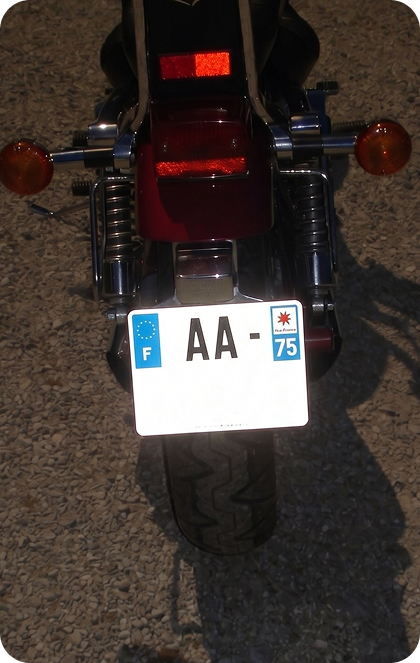
Honda Shadow 125
France
Honda Civic
Mexico
Mercedes CLE53
Japan
Toyota Supra
Texas, USA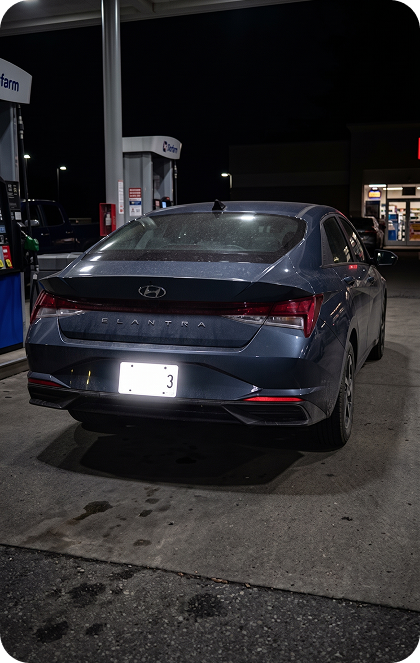
Hyundai Elantra
Canada4.0/5 Bewertung
100+ Rezensionen
5500+ zufriedene Kunden
Produkt auswählen


Südafrika 1997
Südafrika 1997 Nanofilm-Kollektion
Anti-Radar-Aufkleber-Technologie für Südafrika 1997 Nummernschilder
Die 1997 in Südafrika eingeführten Nummernschilder folgen einem reflektierenden Standard, der hohe Sichtbarkeit unter verschiedenen Fahrbedingungen gewährleistet. Ob auf Autobahnen, im Stadtverkehr oder bei nächtlichen Fahrten, diese Schilder sind so konzipiert, dass sie Licht effizient reflektieren und leicht lesbar sind. Diese gleiche reflektierende Eigenschaft macht sie jedoch auch sehr anfällig für automatisierte Überwachungssysteme. Die Südafrika 1997 Nanofilm Kollektion führt eine moderne Anti-Radar-AufkleberLösung ein, die die Interaktion der reflektierenden Oberflächen der Schilder mit der Kamerabeleuchtung verändert.
Anstatt sperrige Rahmen oder Abdeckungen zu verwenden, arbeitet diese Technologie direkt mit den Symbolen des Schildes. Der Film wird präzise auf die Zeichen aufgetragen, wobei ihre genaue Form und Proportionen beachtet werden. Dadurch bleibt die Modifikation visuell unauffällig, beeinflusst jedoch dennoch, wie Licht von Kameras erfasst wird. Das Ergebnis ist eine diskrete und saubere Integration, die das ursprüngliche Design des Schildes nicht verändert.
Die Nanofilmstruktur ist so konzipiert, dass sie sowohl mit sichtbarem als auch mit infrarotem Licht interagiert. Dadurch bleibt das Schild für das menschliche Auge klar lesbar, während es subtil beeinflusst, wie es für automatisierte Systeme erscheint.
Wichtige Merkmale der Technologie sind:
- präzise Anwendung auf den Zeichen der Südafrika 1997 Nummernschilder
- mikrostrukturierte optische Oberfläche für reflektierende Materialien
- Kompatibilität mit Blitz- und Infrarotkamerasystemen
- diskrete Erscheinung ohne Rahmen oder sichtbare Veränderungen
Leistung des Nummernschildfilms unter realen Fahrbedingungen
Optisches Verhalten des Nummernschildfilms
Moderne Verkehrsüberwachungskameras sind auf starke Lichtreflexion angewiesen, um Nummernschilder zu erfassen. Wenn ein Blitz oder ein Infrarotstrahl die reflektierende Oberfläche trifft, wird das Licht direkt zum Kamerasensor zurückgeworfen, was ein hochkontrastreiches Bild erzeugt. Ein Nummernschildfilm ändert diese Interaktion, indem er das reflektierte Licht streut und umverteilt.
Die Oberfläche des Nanofilms enthält mikroskopisch kleine Strukturen, die das einfallende Licht in mehrere Richtungen streuen. Anstatt das Licht direkt zurück zur Kamera zu reflektieren, wird der Strahl weniger konzentriert. Dies kann beeinflussen, wie klar automatisierte Systeme die Zeichen auf dem Schild erkennen.
Da der Film direkt auf jedes Symbol aufgetragen wird, tritt der optische Effekt genau dort auf, wo die Erkennungsalgorithmen ihre Analyse konzentrieren. Diese gezielte Interaktion ermöglicht es dem Film, effizient zu arbeiten, ohne das Gesamtbild des Schildes zu beeinträchtigen.
Wichtige Leistungsmerkmale sind:
- kontrollierte Lichtstreuung für reflektierende Oberflächen
- optimierte Interaktion mit Infrarotbeleuchtung
- präzise Ausrichtung mit den Zeichen des Schildes
- stabile Leistung unter verschiedenen Lichtbedingungen
Nummernschildkamera-Blocker für Südafrika Nummernschilder
Diskrete Schutzlösung mit Nummernschildkamera-Blocker
Da automatisierte Überwachungssysteme immer verbreiteter werden, suchen viele Fahrer nach Möglichkeiten, wie ihre Nummernschilder erfasst werden. Die Südafrika 1997 Nanofilm-Kollektion bietet einen modernen Nummernschildkamera-BlockerAnsatz, der auf optischer Modifikation anstelle mechanischer Störungen basiert.
Diese Lösung führt eine dünne Schicht ein, die mit der reflektierenden Beschichtung des Schildes zusammenarbeitet. Anstatt das gesamte Schild abzudecken, verbessert und modifiziert sie die bestehenden Materialeigenschaften. Dadurch kann das Schild sein authentisches Aussehen beibehalten, während sich die Interaktion mit Kamerasensoren leicht verändert.
Der Installationsprozess ist einfach und erfordert keine zusätzliche Hardware. Nach der Anwendung wird die Folie Teil der Plattenoberfläche, wodurch Haltbarkeit und konsistente Leistung über die Zeit erhalten bleiben.
Fahrer wählen diese Art von Lösung, weil sie bietet:
- Erhaltung des ursprünglichen Designs der Südafrika 1997-Platte
- diskrete Integration ohne sperrige Zubehörteile
- verbesserte Privatsphäre in Umgebungen mit Kamerabeobachtung
- Kompatibilität mit modernen Verkehrs- und Überwachungssystemen
Die Südafrika 1997 Nanofilm Kollektion kombiniert präzise optische Technik mit einem sauberen, minimalistischen Ansatz und bietet eine zuverlässige Lösung für Fahrer, die sowohl Ästhetik als auch fortschrittliche Funktionalität schätzen.
Kaufen 4 symbole und ERHALTEN 10% AUS
🥳 Herzlichen Glückwunsch! Sie haben 30% RABATT


